Method
How your speech changes
Clear pronunciation, even more than grammar, decides whether a listener understands you. Many people give up on it after discouraging efforts. This is the work that gets you heard the first time instead.
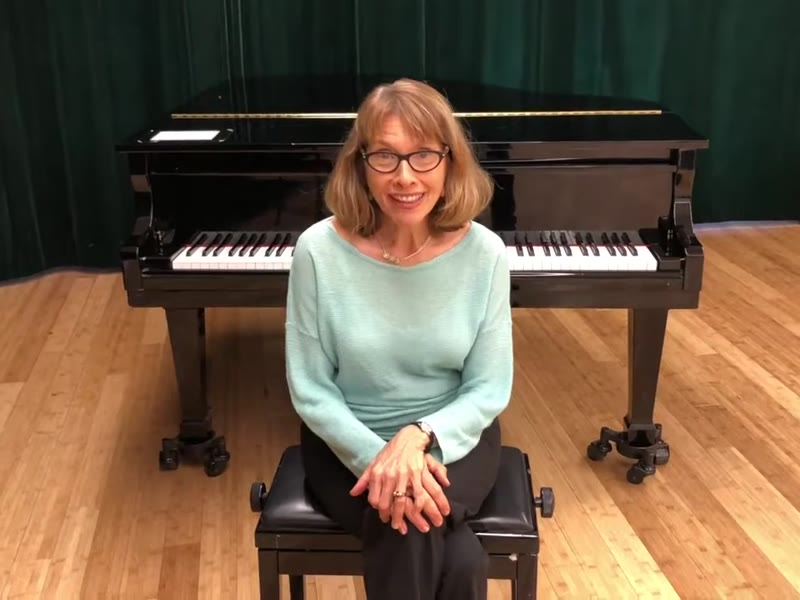
With extensive experience in linguistics and music, Susanne detects fine nuances in sound, which is what makes a lesson with her effective. The learning environment is supportive, positive and encouraging.
Pre-test
After a diagnostic oral pre-test, Susanne creates a plan of study to achieve concrete results. Nothing is taught that the pre-test did not ask for.
Phonemes
The vowels and consonants of American English, usually several new sounds in a lesson, with constant review of the ones already studied. The mouth and tongue position for each is shown, not just described.
Rhythm, stress, intonation
The music of the sentence. “Say the music, and the music will tell you where the emphasis is.” Stress in the wrong place makes a correct sound hard to understand.
Minimal pairs
“Minimal differences” exercises: pairs of words that differ by one sound, so you hear the distance between your pronunciation and the American one, and then close it.
Grammar and idiom
Grammar study is integrated into the course, and English-language idioms come along the way.
Presence
Posture and expression either help or hurt what you say. Susanne is a trained actor, and non-verbal delivery is part of the work.
A lesson, on camera
Techniques for the short I, E and A, with exercises from the book English Pronunciation Made Simple. One-to-one lessons are the most effective approach by far: they give the comfort and confidence the fastest progress needs.
Bring your
problem words
Fifteen minutes, free, online. Bring the words people ask you to repeat, and hear what they sound like when they land the first time.
Sunday to Friday, by appointment · Eastern Time